
Quick Summary
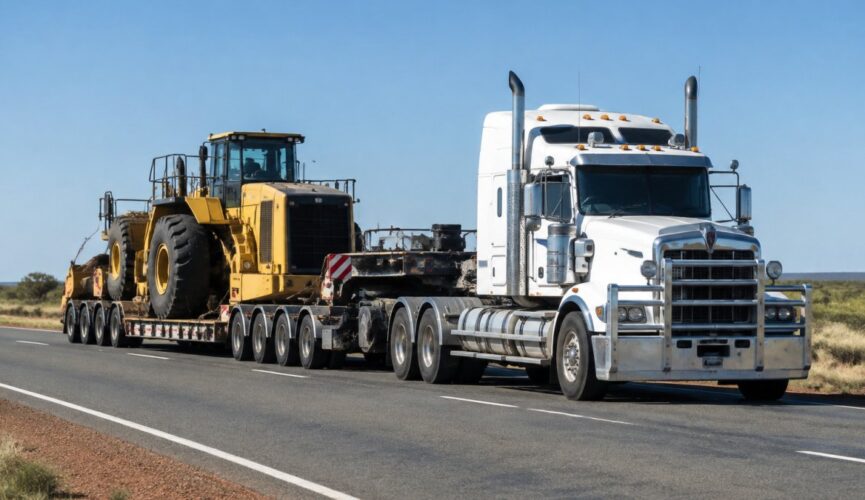
Oversized load logistics means planning a move in five steps: assess the cargo, survey the route, check permits, request a machinery transport quote, and confirm a checklist before the move. Start by measuring the load’s weight, height, width and length with its trailer, since those figures determine the vehicle, configuration and permits needed.
- Measure weight, height, width and length with the trailer before anything else.
- Check bridge heights, road width and low clearances on the full route before booking.
- Apply for oversize and overmass vehicle permits well before the move date.
- Give the load dimensions, weight, addresses and preferred dates when requesting a quote.
- Confirm insurance arrangements in writing and keep a copy of every permit with the load.
Table of Contents
- Step 1 to 3: Assess the Cargo, Survey the Route and Check Permits
- Step 4 to 5: Request a Machinery Transport Quote and Confirm the Checklist
- Frequently Asked Questions
Step 1 to 3: Assess the Cargo, Survey the Route and Check Permits
Last Updated: November 23, 2026
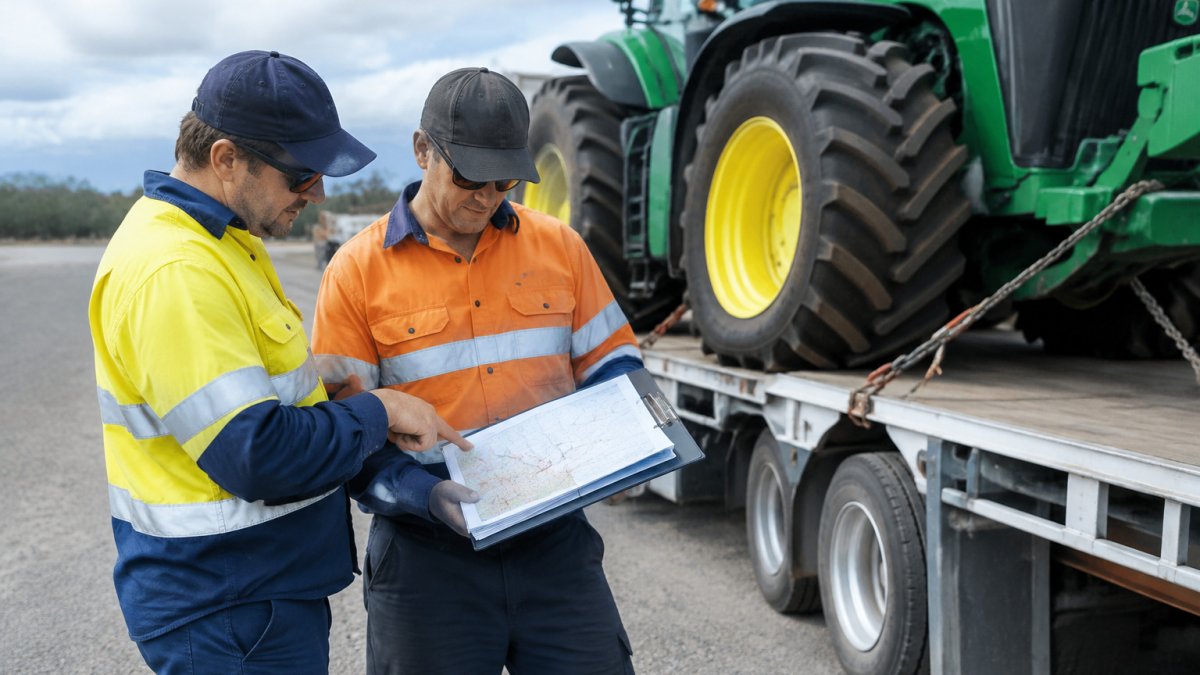
Start by measuring the load itself: weight, height, width and length, with the trailer it will sit on. Those numbers help determine which vehicle, configuration and permits your oversized load logistics plan will need. Read about the wider risks of moving heavy machinery interstate before you commit to a plan.
Next, plan the route. Check bridge heights, road width and any low clearances on the way. Confirm that each step of the route can take the load.
Finally, check permits early. Oversize and overmass vehicle permits can take time to approve, so apply well before the move date as part of your oversized load logistics schedule. Keep a copy of every permit with the load.
The three early steps of oversized load planning are summarised below.
| Step | What to do | Timing |
|---|---|---|
| Assess the cargo | Measure weight, height, width and length with the trailer | Before anything else |
| Survey the route | Check bridge heights, road width and low clearances | Before booking |
| Check permits | Apply for oversize and overmass vehicle permits | Well before the move date |
Step 4 to 5: Request a Machinery Transport Quote and Confirm the Checklist
When you request a machinery transport quote, give the load dimensions, weight, pickup and drop-off addresses, and your preferred dates.
Before the move, confirm this checklist:
- Load dimensions and weight are confirmed in writing
- Route has been surveyed for clearances
- Permits are approved and on file
- Pickup and delivery windows are agreed
- Insurance arrangements are agreed in writing
Pricing depends on quantity, dates and delivery. For a quote, contact Load Up.
Frequently Asked Questions
What information is needed to plan an oversized load transport?
Start with the exact dimensions and weight of the cargo, including height, width and length, plus the pick-up and delivery addresses. Note any overhang, centre of gravity and loading equipment needed. Carriers also need the required delivery date, because permit lead times can be longer than the transport itself. Providing a clear cargo specification up front makes oversize and overmass vehicle permits and a machinery transport quote request faster to complete and more accurate.
When does an oversized load need a permit?
A load usually needs an oversize or overmass permit when it exceeds the mass or dimension limits set for standard vehicles under the National Heavy Vehicle Regulator rules and the relevant state or territory road authority. Limits vary by vehicle configuration and route, so the permit requirement should be confirmed for each journey. A permit can specify travel times, escort vehicles and approved routes, which is why route planning must be finished before the trip is booked.
How far in advance should oversized load transport be planned?
Plan as early as possible, ideally several weeks before the move. Route surveys, permit applications and escort arrangements can each take time, and interstate moves involve more approvals. Planning early also gives you room to adjust for weather, road works and bridge restrictions, and to compare quotes without rushing the decision.

