
Last Updated: November 20, 2026
Quick Summary
Compare heavy transport quotes by rebuilding each one on the same basis: same load weight and dimensions, same pickup and delivery points, and the same cost lines. Then check which charges each carrier includes, excludes or leaves unstated before comparing totals.
- Confirm each quote is based on the actual load weight, dimensions, travel weight and pickup and delivery postcodes.
- Build one row per quote and one column per cost line, including fuel levy, tolls, permits and escorts.
- Treat any cost a carrier cannot confirm in writing as excluded and price it yourself.
- Ask who lodges oversize permits, who pays the fee, and what happens if the route is rejected.
- Check cargo insurance cover limits, excess and exclusions, and who is liable during loading and unloading.
Table of Contents
- What Each Heavy Transport Quote Needs to Include
- Comparing Heavy Haulage Transport Costs Per Km Like-for-Like
- Checking Insurance, Permits and Oversize Load Requirements
- Building a Freight Quote Comparison Template Before You Book
- Frequently Asked Questions
What Each Heavy Transport Quote Needs to Include
Heavy transport quotes are only comparable when each covers the same work. Heavy transport quotes often look cheap until missing items arrive as extras.
A fair quote should state the load details it was based on: weight, dimensions, travel weight and the pickup and delivery suburbs and postcodes. Australian Government guidance on heavy vehicle road transport sets out the general rules shaping what a carrier must plan for. Ask whether access conditions at each end are included, such as loading ramps, tight driveways or restricted delivery hours.
Watch out: a quote built on a smaller load description than your real machine will be revised upward once the carrier measures it.
Use the [page:1] guide to see how recurring weekly routes can change your freight rate over time.
Comparing Heavy Haulage Transport Costs Per Km Like-for-Like
A per-kilometre rate is a unit of measure, not a price. Two carriers can quote the same cents-per-km figure and still land hundreds of dollars apart once route, load and service level are normalised. Comparison only works when every quote is rebuilt on the same basis: same origin and destination, travel weight and dimensions, access conditions, date window and service inclusions.
Convert each quote to a common denominator, restating shorter routes or lighter travel weights against your actual load. Then break every quote into the same cost lines:
- Line-haul (base freight): the movement itself, usually quoted per km, per tonne or as a flat lane rate.
- Fuel levy: a separate per-km or percentage charge; ask whether it is fixed at quote date or adjusted at invoice.
- Tolls and road user charges: route-specific and not always included; confirm what is in or out.
- Permits and route approvals: oversize and heavy loads may need state or territory permits and route assessments; ask who lodges them and whether the fee sits in the quote.
- Escort and pilot vehicles: clarify whether the rate includes the escort, travel time and standby.
- Loading and unloading: crane, forklift, ramps or winching; often excluded and billed hourly with a minimum.
- Waiting time and standby: ask for the free period and the hourly rate after it.
- Accessorials and contingencies: cancellation, redelivery, rebooking and after-hours fees.
- Insurance and excess: whether cargo cover is included and what excess applies to a claim.
Build one row per quote and one column per cost line, plus a final column for “assumptions stated by the carrier”. A quote that is silent on a line is not free, it is unpriced risk. Where a carrier cannot confirm an inclusion in writing, treat it as excluded and price it yourself before comparing totals.
Transport and Infrastructure Council guidance on heavy vehicle charges explains how state and territory charges can vary by route, which is why a single national per-km rate rarely survives contact with a real lane.
Watch out: a quote that looks cheapest per kilometre often excludes fuel levy, tolls, escorts or waiting time, and the invoice total can exceed a higher headline rate once those lines are added.
Use the [page:1] guide to see how recurring weekly routes can change your freight rate over time.
Checking Insurance, Permits and Oversize Load Requirements
Oversize and heavy movements carry three separate risks a headline rate rarely captures: regulatory approval, physical securement, and financial liability. Compare quotes on all three, not just the permit line.
Permits and route restrictions. Oversize and heavy loads may need permits, route assessments, travel restrictions and, in some cases, pilot or escort vehicles (Oversize Overmass). Ask each carrier in writing: who lodges the permit, who pays the fee, and what happens if the route is rejected or the permit is delayed. Route restrictions can also force a longer or slower journey, changing line-haul and labour costs.
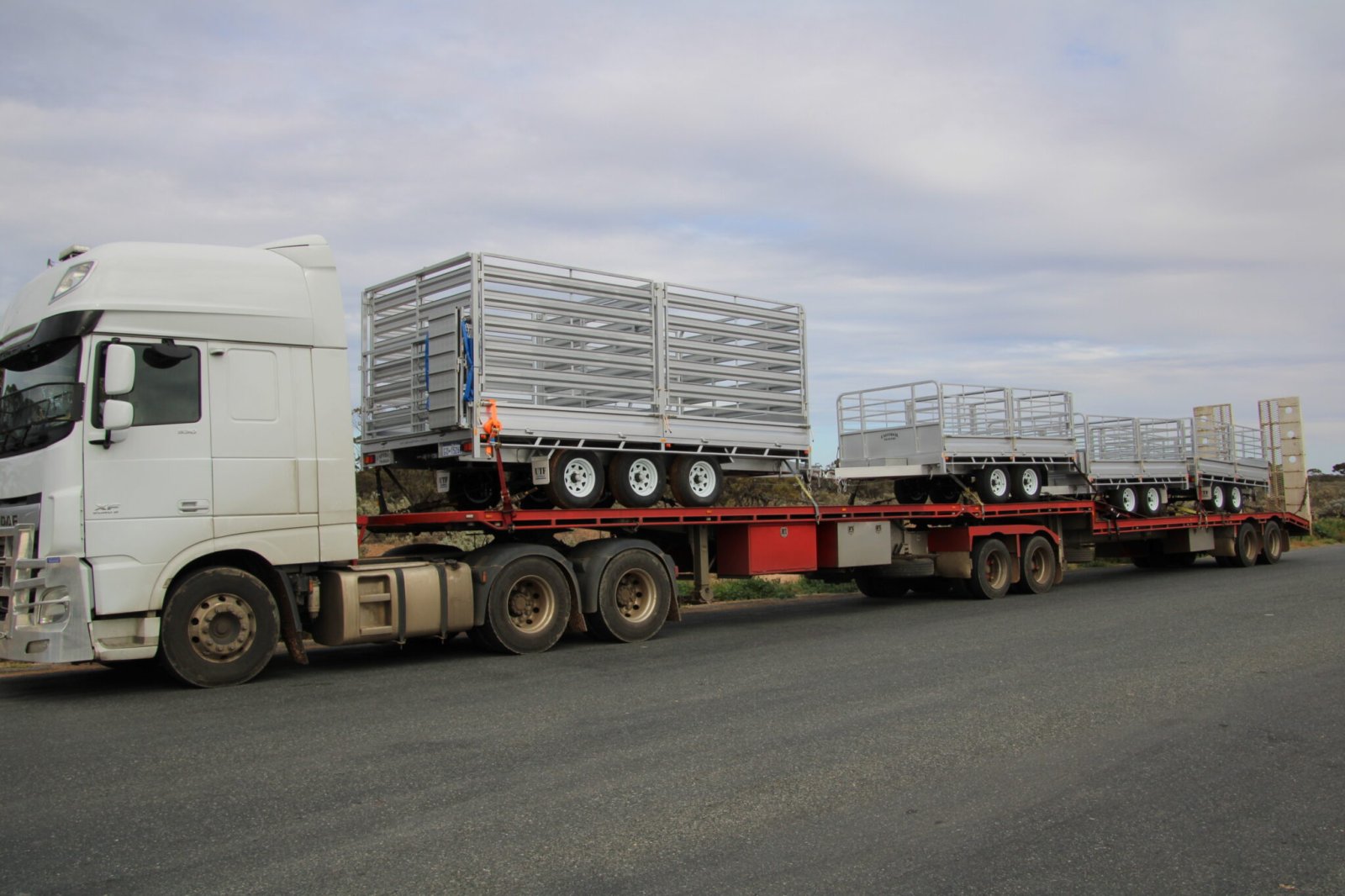
Equipment selection and load securement. The right trailer depends on the load: a low-loader for tall machinery, a step deck for height-sensitive freight, an extendable trailer for long items, and skel or platform configurations for containers and structural steel. Ask which equipment the quote assumes and whether securement (chains, binders, straps, dunnage, mats) is included or billed separately. Securement is a compliance obligation, not an optional extra, so a quote silent on it is incomplete.
Insurance, liability and claims. Confirm the carrier’s cargo insurance, cover limit, excess and exclusions, particularly for loading and unloading damage, often the responsibility of the party directing the lift. Ask who is liable at each stage: on your site, during transit, and during unloading. Request a certificate of currency and read the excess and exclusions rather than the headline cover. Ask how a claim is lodged, what evidence is required and the typical response time.
Quote validity and schedule contingencies. A quote is a snapshot of fuel, permit and labour costs on a given date. Ask how long it remains valid, what triggers a re-quote and how delays or schedule changes are handled, including standby rates and rebooking fees.
Building a Freight Quote Comparison Template Before You Book
Build a simple template before requesting quotes. List each item the load needs, then record each carrier’s price, inclusions, exclusions and validity date side by side.
Use [page:5] to see the boat-transport steps you can price into the template, and [page:2] for the questions to ask before accepting any quote.
Once the sheet is filled in, the cheapest total is rarely the best value. Compare what each quote covers and choose the one that fits your load and schedule.
Frequently Asked Questions
What factors influence the cost of heavy haulage transport?
The main factors are the distance, the weight and dimensions of the load, the equipment needed such as lowloaders or escort vehicles, permit and route costs for oversize loads, and access conditions at pickup and delivery. Loads that need special routing or travel outside standard hours usually cost more. Ask each provider to itemise these elements so you can see where the quotes differ. Pricing depends on the specific job, so request a written quote from Load Up for current rates.
How do I ensure a heavy transport quote includes all surcharges?
Ask each provider to list every charge in writing, including fuel surcharges, permit fees, escort costs, waiting time, tolls and any charges for loading or unloading. Confirm whether the quote is valid for a set period and whether it covers the exact pickup and delivery addresses you have provided. A quote that omits these items may look cheaper but can increase once the job is booked. Compare the itemised lists side by side before accepting any offer.
Is it better to choose the cheapest heavy transport quote?
Not necessarily. A low quote may exclude permits, escorts, insurance or access charges that a higher quote includes. Compare what each quote covers, how reliable the provider’s schedule is, and what liability and damage cover applies. Price matters, but the best value is the quote that delivers your load safely and on time for a total cost you can confirm in writing.

