
Last Updated: November 8, 2026
Quick Summary
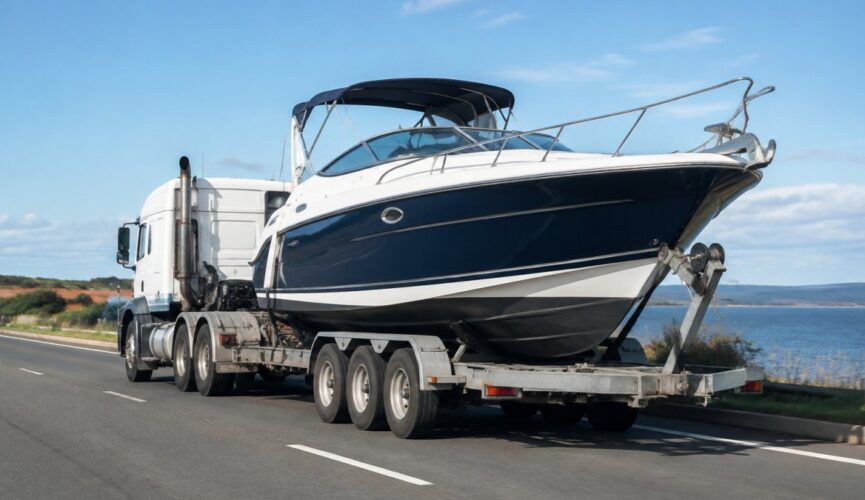
The first decision in how to transport boat interstate in Australia is how the boat will travel: tow it yourself, hire a truck or tilt tray, or use a road trailer. Each option suits a different boat, budget and timeline, so choose based on the boat’s size and weight.
- Road trailers suit small to medium boats you can tow yourself.
- Trucks and tilt trays suit large boats and long distances.
- Measure loaded dimensions including the highest fixed point with the trailer attached.
- Get permits from the departure state, and confirm separately for each state crossed.
- Photograph the boat from all sides and sign a condition sheet at pickup and delivery.
Table of Contents
- Choose Your Interstate Boat Transport Method
- How to Prepare a Boat for Transport
- Getting a Boat Transport Quote and Understanding Interstate Boat Transport Cost
- How Long Boat Transport Takes and What Can Cause Delays
- Booking Your Interstate Boat Move With Load Up
- Frequently Asked Questions
Choose Your Interstate Boat Transport Method
Learning how to transport boat interstate in Australia is a bigger job than most owners expect. At Load Up, we move boats, caravans and heavy machinery between Darwin, Perth, Adelaide, Brisbane and Melbourne every week.
The first decision is how the boat will travel. You can tow it yourself, hire a transport company, or book a tilt tray or truck. Each option suits a different boat, budget and timeline.
Road trailer, truck and tilt tray options
A road trailer is the most common choice for smaller boats. It is cheap to run, but it needs a towing vehicle with enough capacity and a trailer that is registered and roadworthy.
A truck or tilt tray suits larger or heavier boats.
- Road trailer: Best for small to medium boats you can tow yourself
- Truck transport: Best for large boats or long distances
- Tilt tray: Good for short-to-mid distance moves and easy loading
Watch out: Some transport providers quote a low price but use a trailer that is not rated for the boat’s weight. Check the rating before you book.
Towing it yourself: legal and safety requirements
If you are working out how to transport a boat interstate in Australia yourself, you must meet the rules for your vehicle and trailer. Check your licence class, your vehicle’s towing capacity, and whether your trailer is registered in the state you are leaving from (Towing a trailer or caravan).
Before you tow, confirm the following:
- Your tow vehicle’s towing capacity exceeds the combined weight of the boat and trailer
- Your trailer lights, brakes and tyres work properly
- The load is secured with safety chains and correctly balanced
Long interstate trips are tiring. Plan regular breaks, and drive at a speed that suits the load.
How to Prepare a Boat for Transport
Good preparation protects your boat from damage on the road. It also makes the handover smoother at each end. A boat move can stall if a dimension, permit or trailer detail is not checked before pickup.
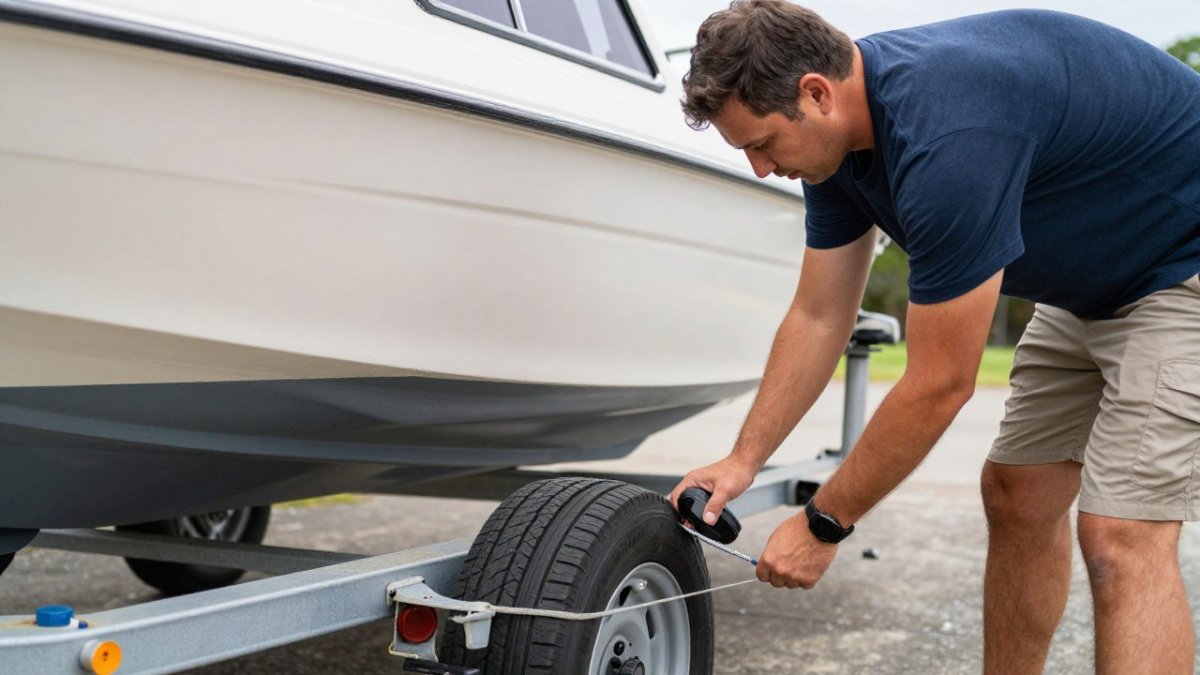
Checking dimensions, weight and trailer condition
Measure the boat’s overall length, beam (width) and height, and weigh it with all gear on board. Transport companies and road authorities use these figures to decide whether the load needs an oversize permit or a special route.
Inspect the trailer before the trip. Check the bearings, tyres, brakes, lights and winch. A worn bearing or low tyre can cause roadside breakdowns on long trips.
Oversize-load permits and state-by-state rules
Whether you need a permit depends on the loaded dimensions, not the boat’s model. Whether a load needs a permit depends on its loaded dimensions.
A practical state and territory checklist:
- Departure state: Apply for the oversize permit through that state’s road transport authority before pickup, and allow lead time for approval.
- Each state crossed: A permit from the departure state does not automatically cover the next state. List every jurisdiction on the route and confirm whether a separate permit, a cross-border arrangement or a notice applies.
- Travel restrictions: Permits can restrict travel conditions, so check the conditions attached to each one.
Watch out: A quote that excludes permit fees, pilot vehicles or escort costs can look cheaper than a compliant quote and then grow once the route is assessed. Ask for those items to be listed separately in writing.
Pre-transport inspection and handover checklist
Take photos and video of the boat from every side before it leaves. Note any existing scratches, dents or gelcoat cracks.
- Remove loose gear, electronics and personal items
- Drain fuel and water systems as the transporter requires
- Secure all hatches, covers and rigging
Ask for a condition report at pickup and again at delivery, signed by both parties. A photo set plus a signed sheet is far stronger evidence than photos alone if damage is found after unloading.
The table below summarises the key preparation checks the article describes before a boat leaves for interstate transport.
| Check | What to do | Note |
|---|---|---|
| Loaded dimensions | Measure length, beam and highest fixed point with trailer attached | Determines whether an oversize permit is needed |
| Weight | Weigh the boat with all gear on board | Used to decide route and permit class |
| Trailer condition | Check bearings, tyres, brakes, lights and winch | Worn bearings or low tyres cause roadside breakdowns |
| Permits | Apply through the departure state’s road transport authority | Allow lead time for approval |
| Each state crossed | Confirm whether separate permits or notices apply | A departure-state permit does not automatically cover the next state |
| Handover record | Photograph all sides and sign a condition sheet at pickup and delivery | Strongest evidence if damage is found later |
Getting a Boat Transport Quote and Understanding Interstate Boat Transport Cost
Pricing depends on the boat, the route and the dates, so a fixed figure needs those details. What you can do is understand how a quote is built, so you can compare providers on the same basis and spot a quote that is missing items.
Factors that change the price
Several factors affect the final cost of an interstate boat transport job:
- Boat size and weight: Larger and heavier boats cost more to move, and once the loaded dimensions cross the oversize thresholds the job also carries permit and possibly pilot vehicle costs.
- Distance and route: Longer interstate routes cost more, and a route with permit conditions, escorts or restricted travel windows costs more than the distance alone suggests.
- Transport method: Towing yourself, a road trailer, a truck and a tilt tray all price differently. Truck and tilt tray moves usually carry a higher base rate but avoid trailer wear and stone damage.
What a transparent quote should itemise
Ask every provider for a written quote that lists exactly what is included. A quote you can compare line by line should show:
- Base freight for the route and method
- Permit fees and who lodges the applications
- Pilot vehicle or escort costs, if required
A common pattern is for the cheapest headline quote to exclude permits, escorts or insurance, so the final invoice lands well above the initial figure. Comparing itemised quotes removes that trap.
Building a realistic budget
Build a budget from the variables above. Start with the base freight for your route and method, add permit and escort costs if the loaded dimensions require them, add loading and unloading, then add a contingency for timing changes or storage.
Watch out: A quote that is dramatically lower than every other itemised quote usually means something has been left out, permits, escorts, insurance or access equipment. Ask what is excluded before you compare on price.
How Long Boat Transport Takes and What Can Cause Delays
Transit time depends on the route, the transport method and the schedule. Weather, road closures and permit approvals can all cause delays.
Ask your transporter for an estimated pickup window and delivery date before you book. Confirm how they will keep you updated during the trip.
Booking Your Interstate Boat Move With Load Up
Load Up can move your boat between Darwin, Perth, Adelaide, Brisbane and Melbourne, with weekly service routes and truck or trailer transport. You can browse our interstate truck transport options to see which method fits your boat.
If you are shipping between a specific pair of cities, check our Melbourne to Darwin freight service for route details. Before pickup, follow our step-by-step guide to protecting your boat from transport damage. If you are comparing providers, read how to choose freight companies for interstate delivery to know what to ask. You can also see an example of an interstate boat transport job on a similar route.
To make a booking or arrange a quote, get in touch with the Load Up team today.
Frequently Asked Questions
How do you transport a boat interstate?
Most owners choose between towing the boat themselves, using a road trailer, or booking a professional carrier with a truck or tilt tray. Start by confirming the boat’s length, beam, height and weight, because these decide which transport method is suitable. Check your trailer and tow vehicle, plan your route and any oversize-load requirements, then secure the boat properly before departure. Load Up can advise on which option suits your boat and route.
How much does it cost to transport a boat interstate?
Pricing depends on boat size, weight, route, transport method, pickup and delivery locations, and the dates you need it moved. Because every job is different, the most reliable way to find your cost is to request a quote with your boat’s details. Ask whether the quote includes insurance, loading and unloading, and any permits. Visit the Load Up website or get in touch to arrange a quote.
Can I tow my boat interstate myself?
You can usually tow a boat interstate yourself if your vehicle, trailer and licence are suitable for the combined weight and dimensions. Check the tow rating of your vehicle, the trailer’s registration and condition, and whether your load exceeds width or length limits that need an oversize-load permit. Long distances also demand regular stops to check tie-downs and tyres. If any of these requirements are unclear, a professional transporter may be the safer choice.
Do I need insurance when transporting a boat?
Insurance is strongly recommended whenever a boat is moved, whether you tow it or book a carrier. Check whether your existing boat policy covers transit, and ask any transporter what liability cover applies and how claims are handled. Document the boat’s condition with photos before pickup and keep a signed handover record. Load Up can explain what its transport service covers before you book.

